What Is Foundation Waterproofing?
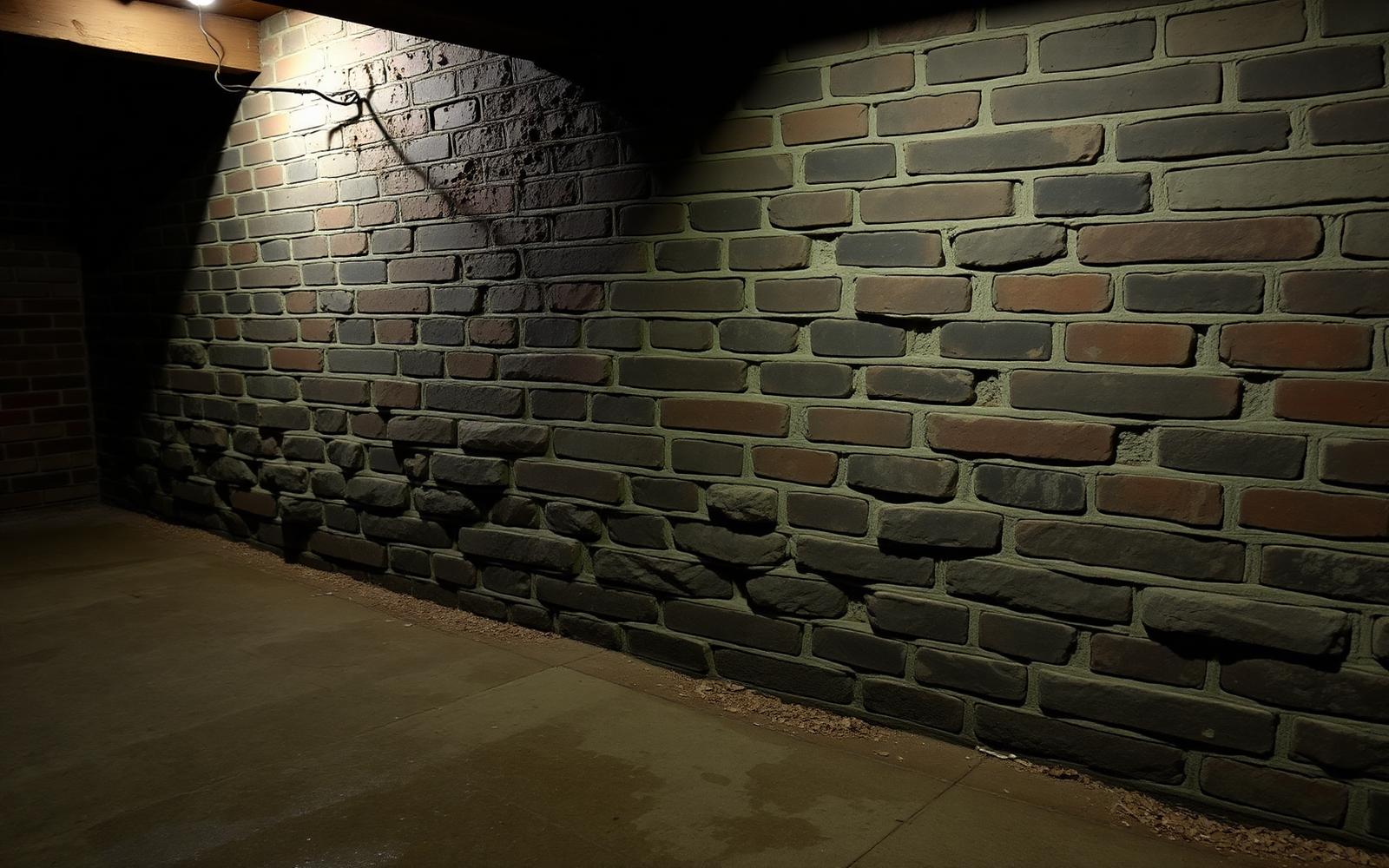
A wet basement is the symptom homeowners notice. The foundation wall is what is actually taking the abuse. Pennsylvania foundations range from 19th-century fieldstone and brick to mid-century concrete block to modern poured walls, and each fails differently when water is allowed to sit against it: mortar joints erode, block cores fill and spall, poured walls develop shrinkage cracks that widen with freeze and thaw.
Foundation waterproofing is the set of repairs that protects the wall and footing — waterproof coatings and membranes, crack repair, parging, drainage board, footing drains, and the exterior grading and gutter work that reduces how much water ever arrives.
Signs of a Foundation Water Problem
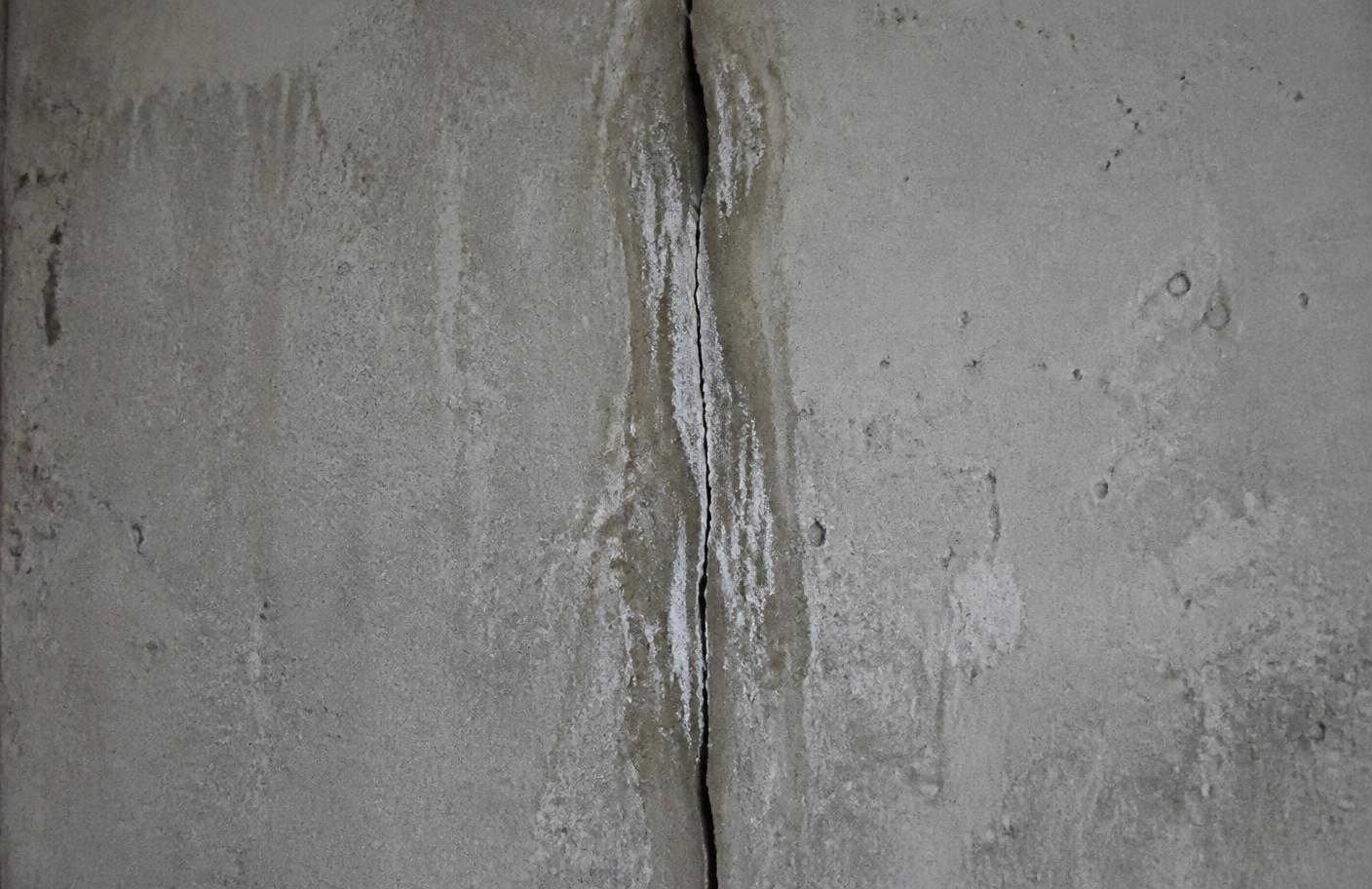
- Efflorescence — white mineral crust — on block or poured walls
- Soft, sandy or missing mortar in stone and brick foundations
- Spalling: flaking, crumbling concrete or block faces
- Rust stains bleeding through a poured wall
- Damp bands high on the wall that dry into shadow lines
- Cracks that widen seasonally or weep during storms
- Bowing or horizontal cracking — a structural signal, not just a water one
What Causes Foundation Water Problems
- Hydrostatic pressure. Saturated soil pushes water into every joint and pore of the wall.
- Lateral soil and water pressure. Clay-rich soils expand when wet and load the wall from the side.
- Missing or failed original waterproofing. Many Pennsylvania homes were built with a thin damp-proof coating, or nothing at all.
- Footing drains that no longer drain. Silt, roots and crushed pipe end the drain's life long before the house's.
- Roof and surface water. Downspouts ending at the wall put hundreds of gallons into the soil beside the foundation in a single storm.
- Freeze and thaw. Water in a joint expands when it freezes and enlarges the opening every winter.
Foundation Waterproofing Methods Explained
Exterior Membrane Systems
The wall is exposed, repaired, coated with a waterproofing membrane and protected with drainage board — the approach covered in detail on our exterior basement waterproofing page.
Crack and Joint Repair
Non-structural cracks are injected with polyurethane or epoxy; deteriorated stone and brick joints are repointed. See foundation crack repair for how injection works and when it is enough on its own.
Drainage Relief Instead of Resistance
Reducing pressure on the wall is often more effective than trying to seal it. New footing drains, an interior French drain, and a properly sized sump pump lower the water level around the foundation so the wall stops being a dam.
Grading, Gutters and Exterior Water Management
Regrading, downspout extensions, buried discharge lines, window well drains and rebuilt walkways handle the water that never should have reached the foundation in the first place.
Which Foundation Waterproofing Approach Fits Your Home?
- Membrane and excavation: the wall material itself is absorbing water or deteriorating.
- Injection: a discrete leaking crack in an otherwise sound poured wall.
- Interior drainage: water is arriving at the bottom of the wall and the structure is sound.
- Exterior water management: nearly always worth doing, and sometimes enough by itself.
How Much Does Foundation Waterproofing Cost?
| Work | Typical range | What drives the price |
|---|---|---|
| Foundation crack repair (injection) | $400 – $1,500+ per crack | Crack size, wall thickness, access |
| Parging and wall surface repair | $8 – $25+ per square foot | Masonry condition, prep work, materials |
| Exterior wall waterproofing with membrane | $8,000 – $15,000+ | Excavation depth, wall length, restoration |
| Grading and downspout drainage corrections | $800 – $5,000+ | Soil volume, buried line length, discharge point |
| Interior drainage as an alternative approach | $3,000 – $10,000+ | Perimeter footage, sump, wall liner |
Actual prices vary based on basement size, foundation type, water source, access, drainage requirements, excavation needs and chosen waterproofing method. Full ranges are in the basement waterproofing cost guide.
What Affects Foundation Waterproofing Cost
- Foundation material and its current condition
- Wall height and depth below grade
- How much of the perimeter is being treated
- Access for equipment versus hand excavation
- Hidden masonry repairs found once the wall is exposed
- Whether structural reinforcement is required first
Related pages
Basement Waterproofing by Pennsylvania City
Local pages with the foundation types, soils and drainage issues specific to each area.
Frequently asked questions
- What is the difference between foundation waterproofing and basement waterproofing?
- Basement waterproofing is about keeping the living space dry. Foundation waterproofing focuses on the structure — the wall and footing — and on stopping water from saturating and degrading the masonry over time. On most projects the two overlap heavily.
- Can water actually damage a foundation?
- Yes, slowly. Repeated saturation and freeze cycles erode mortar joints, spall concrete and rust reinforcement. Water moving through soil can also wash out fines beneath a footing. That is why chronic dampness is worth fixing even when nothing is flooding.
- Is damp-proofing the same thing as waterproofing?
- No. Damp-proofing — usually a sprayed asphalt coating on new construction — resists moisture vapor but is not designed to hold back water under pressure. Waterproofing membranes are.
- Do I need waterproofing or a structural repair?
- If the wall is bowing, shifting, stair-step cracking or horizontally cracked, get a structural opinion first. Waterproofing keeps water out; it does not stabilize a wall that is moving.
- Does grading really matter that much?
- It matters enormously and it is often the cheapest correction available. Soil that slopes away six inches over the first ten feet, plus downspouts discharging well away from the wall, removes a large share of the water a foundation ever has to deal with.