What Causes Wet Basements in York?
York County's soils are a big part of the story. Much of the area has clay-heavy ground that absorbs slowly, holds water, and expands as it wets — so a storm's water sits against your foundation wall for days instead of draining away. That sustained pressure is what turns a hairline crack into a reliable leak.
The city's older brick homes, many built between the 1890s and 1930s, sit on stone or early block foundations with shallow basements and no original footing drain. In the surrounding boroughs and townships, mid-century block foundations and newer poured walls are more common, each with their own failure pattern: core water in block, shrinkage cracks in poured concrete.
Add Pennsylvania's freeze-thaw cycling — York averages plenty of overnight freezes with daytime thaws — and small cracks widen every winter. Most York homeowners who call about a leak have watched it get slightly worse each year.
York Housing Stock and Foundation Types
City brick rowhomes and twins
Attached homes in central York limit exterior access, so interior drainage plus wall repointing is the standard approach. Shallow cellars mean tight working conditions but not impossible ones.
Mid-century block foundations
Across York Township, Springettsbury, West Manchester and Dover, block walls fill through their cores. Weep holes or a base channel feeding drain tile is the fix, not a coating on the inside face.
Newer poured concrete walls
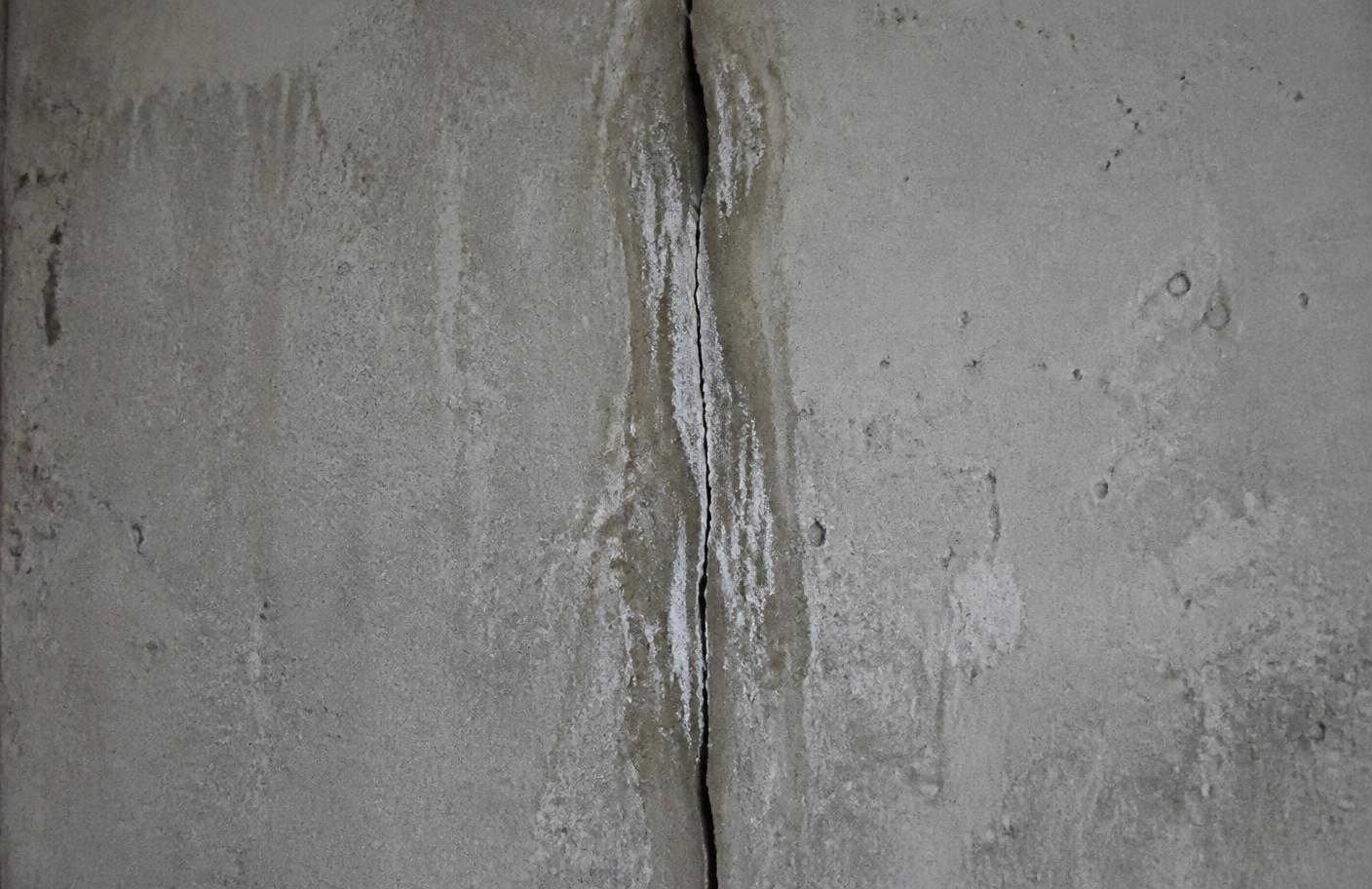
In the growth areas around Red Lion, Dallastown and Shrewsbury, vertical shrinkage cracks are the most common single complaint — and typically the least expensive to repair.
Older stone farmhouse cellars
Throughout the county, fieldstone cellars need wall management and repointing alongside drainage, rather than any attempt to seal the stone.
Local Soil, Drainage and Weather Conditions
- Clay-heavy soils that hold water against foundation walls for days
- Expansive soil pressure on block and stone walls
- Older city housing with no original footing drains
- Pronounced freeze-thaw cycling widening cracks each winter
- Flat urban lots with settled, reversed grading
- Aging buried downspout lines that have collapsed or clogged
- Suburban development altering runoff onto older neighboring lots
- Creek corridors raising local groundwater after heavy rain
Most Common Basement Problems in York
- Water tracking down a vertical crack every heavy rain
- Seepage at the cove joint on two or three walls
- Standing water after summer thunderstorms
- Efflorescence spreading across block walls
- Sump pump replacement after a failure
- Damp, musty finished basement that smells worse in summer
Basement Waterproofing Cost in York
| Work | Typical range | What drives the price |
|---|---|---|
| Crack injection | $400 – $1,400+ | Crack length, wall thickness, access |
| Interior drainage, partial perimeter | $3,500 – $7,000+ | Footage, block core drainage, sump |
| Full perimeter interior system | $6,000 – $10,500+ | Whole basement, wall liner, new pit |
| Exterior waterproofing, one wall | $4,500 – $10,000+ | Depth, access, restoration |
| Grading and downspout corrections | $700 – $4,000+ | Soil volume, buried line length |
Actual prices vary based on basement size, foundation type, water source, access, drainage requirements, excavation needs and chosen waterproofing method. Compare methods statewide in the Pennsylvania cost guide.
Neighborhoods and Nearby Areas Covered
Professionals in the network serve York city, Springettsbury, York Township, West York, Dover, Dallastown, Red Lion, Shrewsbury, Hanover, Manchester, Emigsville, Stewartstown and surrounding York County communities.
Areas & ZIP Codes We Serve
Serving homeowners throughout York County, including 17401, 17402, 17403, 17404, 17406, 17408, 17313 and 17356, plus surrounding communities. Local area codes are 717 / 223 — enter your ZIP code in the form and your request goes to a professional who works in York regularly.
Which service do you need?
Frequently asked questions
- Why does clay soil make basement water worse?
- Clay absorbs slowly and drains slowly, so storm water accumulates against your foundation instead of moving through the soil. It also swells when wet, adding lateral pressure to the wall.
- Is a vertical crack in my poured wall serious?
- Usually not structurally — most are shrinkage cracks. They are a water problem, and injection typically resolves them for a few hundred to about fifteen hundred dollars.
- My basement leaks in the same spot every storm. Where do I start?
- Outside. Check the nearest downspout and the grade at that spot before spending money below grade. A surprising share of single-location leaks in York trace to one short downspout or a settled buried drain line.
- How long does an interior system take to install?
- Most York-area interior drainage projects run one to three days depending on footage, plus curing time for the concrete patch.
- Do I need a permit?
- Interior drainage often does not require one, while exterior excavation and any structural work usually do. Your contractor should handle permitting and tell you what applies in your municipality.