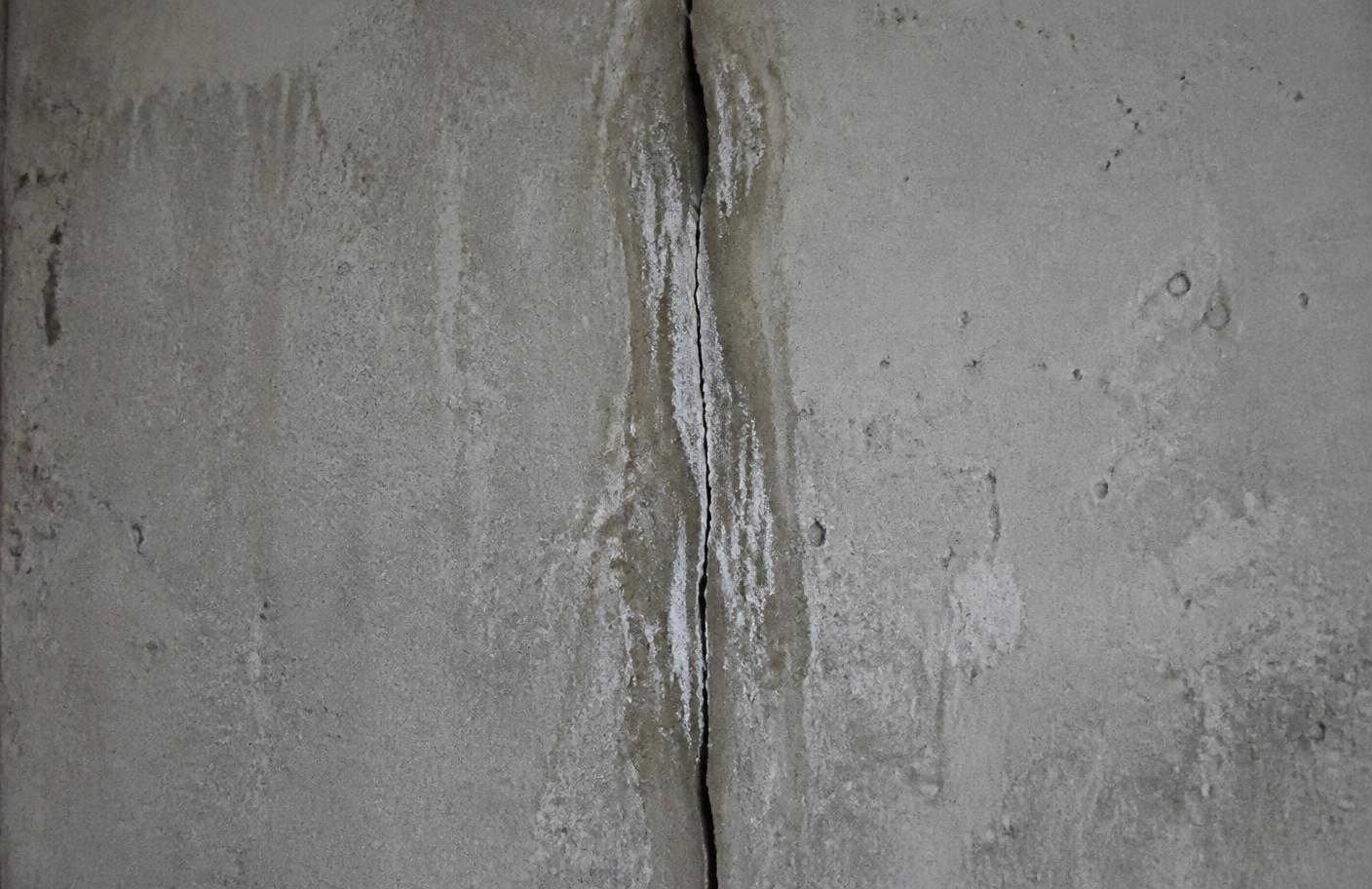
Do Foundation Cracks Always Need Repair?
Poured concrete foundations crack. Concrete shrinks as it cures, and thin vertical cracks appear within the first couple of years in a large share of Pennsylvania homes. Most are cosmetic until water finds them. Once a crack becomes a water path, it delivers a predictable leak every storm, and freeze-thaw cycles gradually widen it.
The job of a crack repair is twofold: seal the path, and tell you honestly whether the crack is the actual water source or one symptom of a larger drainage problem.
How to Read a Foundation Crack
- Thin vertical crack, poured wall: typically shrinkage. A water problem, usually not a structural one.
- Diagonal crack from a corner of a window or door: often settlement; worth monitoring and measuring.
- Horizontal crack: lateral soil pressure. Treat as structural until a pro says otherwise.
- Stair-step cracking in block: differential movement, structural.
- Offset faces or displacement: the wall is moving. Stabilize before waterproofing.
- Mineral deposits or rust staining along a crack: water has been passing through repeatedly.
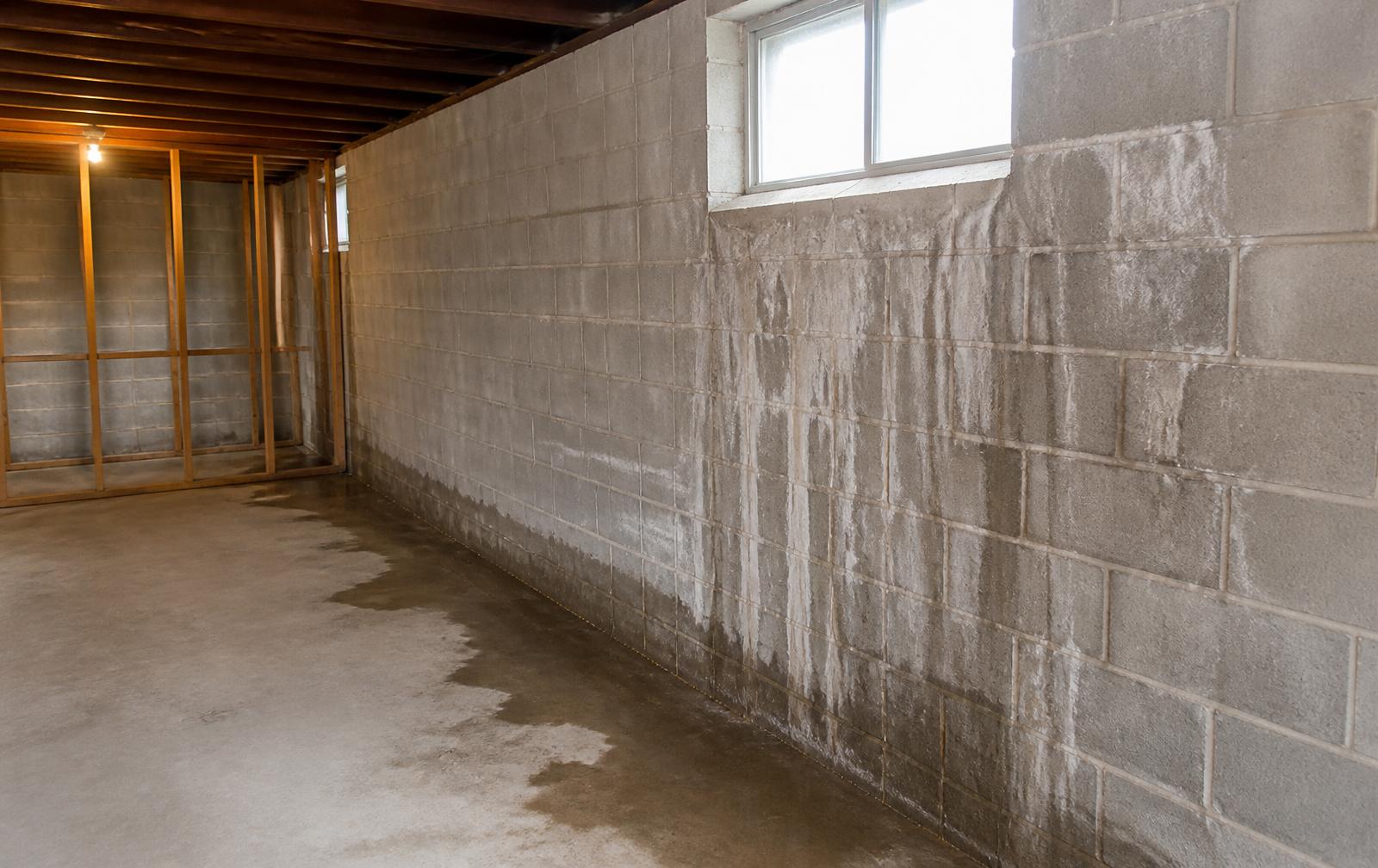
What Causes Foundation Cracks to Leak
- Concrete shrinkage during curing, opened later by soil pressure
- Hydrostatic pressure driving water through any available opening
- Freeze-thaw cycling widening the crack each winter
- Downspouts and grading concentrating water at one spot on the wall
- Settlement or heave from expansive clay soils
- Tie-rod holes and form-tie voids in poured walls
Foundation Crack Repair Methods Explained
Polyurethane Crack Injection
Injection ports are set along the crack, the face is sealed, and expanding polyurethane resin is injected under pressure so it travels through the wall's full thickness. It works in damp conditions and stays flexible through seasonal movement — the standard for leak-stopping.
Epoxy Crack Injection
Epoxy bonds rigidly and restores tensile continuity across a crack. Used when the repair has a structural role and the crack is dry and stable.
Carbon Fiber Reinforcement
Carbon fiber strips are bonded across a crack to resist further widening, often paired with injection when a wall is stable but should not move again.
Exterior Crack Repair and Membrane Patching
Where the crack is part of broader wall deterioration, the wall is excavated, the crack is repaired from outside and a membrane is applied — the approach on our exterior waterproofing page.
When Crack Repair Is Enough — and When It Is Not
- One or two discrete cracks, and the rest of the basement stays dry
- Poured concrete wall in otherwise sound condition
- Leak appears at the crack and nowhere else
- No bowing, displacement or horizontal cracking
- Grading and downspouts are already handled or being handled
How Much Does Foundation Crack Repair Cost?
| Work | Typical range | What drives the price |
|---|---|---|
| Polyurethane crack injection | $400 – $1,200+ per crack | Crack length, width, wall thickness, access |
| Epoxy structural injection | $600 – $1,500+ per crack | Structural requirement, surface prep |
| Carbon fiber reinforcement strip | $400 – $900+ per strip | Wall height, number of strips, surface prep |
| Exterior crack repair with excavation | $1,500 – $5,000+ | Depth, access, membrane patch, restoration |
| Repointing stone or brick foundation joints | $10 – $30+ per square foot | Mortar condition, wall area, historic detailing |
Actual prices vary based on basement size, foundation type, water source, access, drainage requirements, excavation needs and chosen waterproofing method. Compare against system pricing in the cost guide.
What Affects Crack Repair Cost
- Number, length and width of cracks
- Wall thickness and material
- Whether the wall is finished and has to be opened
- Interior injection versus exterior excavation
- Structural reinforcement added to the repair
- Warranty length and whether it is transferable
Related pages
Basement Waterproofing by Pennsylvania City
Local pages with the foundation types, soils and drainage issues specific to each area.
Frequently asked questions
- Which foundation cracks are serious?
- Horizontal cracks, stair-step cracks in block, cracks wider than about a quarter inch, and any crack where the two sides no longer line up. Those suggest movement and need a structural opinion. Thin vertical cracks in poured walls are usually shrinkage and are primarily a water problem.
- Epoxy or polyurethane injection?
- Polyurethane foam is the usual choice for stopping water: it expands, tolerates damp concrete and stays flexible. Epoxy is rigid and stronger, so it is used when the repair also needs to restore structural continuity in a sound, dry crack.
- Will hydraulic cement fix a leaking crack?
- Only temporarily in most cases. Patching the inside face leaves water in the crack behind the patch, and normal seasonal movement reopens the joint. Injection fills the crack through its full depth instead.
- Do repaired cracks come back?
- A properly injected crack usually stays sealed, and reputable contractors warranty it. What does come back is water at a different location if the underlying drainage problem was never addressed.
- Can I inject a crack myself?
- Kits exist and can work on a simple, dry, hairline crack. They do poorly on wet, wide or irregular cracks, and a failed DIY injection makes the professional repair harder because the port paths are now blocked.