What Is Exterior Basement Waterproofing?
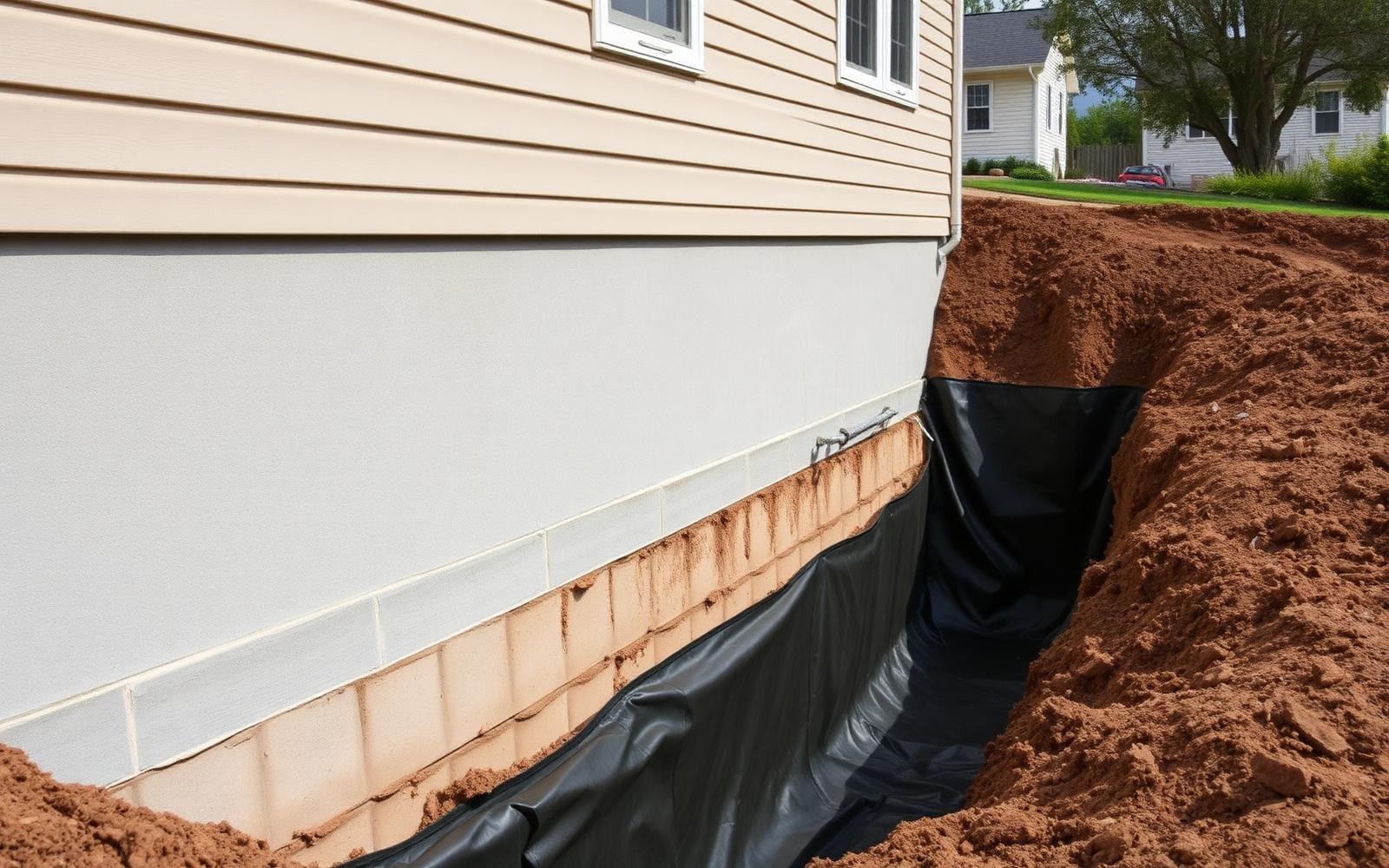
Exterior basement waterproofing is the only approach that keeps water out of the foundation wall rather than managing it after it arrives. The crew excavates along the outside of the wall down to the footing, cleans and repairs the masonry, applies a waterproofing membrane or coating, protects it with drainage board, installs a new footing drain in clean stone and backfills with material that drains rather than holds water.
Done correctly, it addresses the entire chain of failure at once: the wall surface, the water path down the wall, and where that water goes when it reaches the bottom. That is why it is the standard for new construction and the premium option for existing homes.
Signs You Need Exterior Waterproofing
- Water showing up mid-wall or high on the wall, not just at the floor
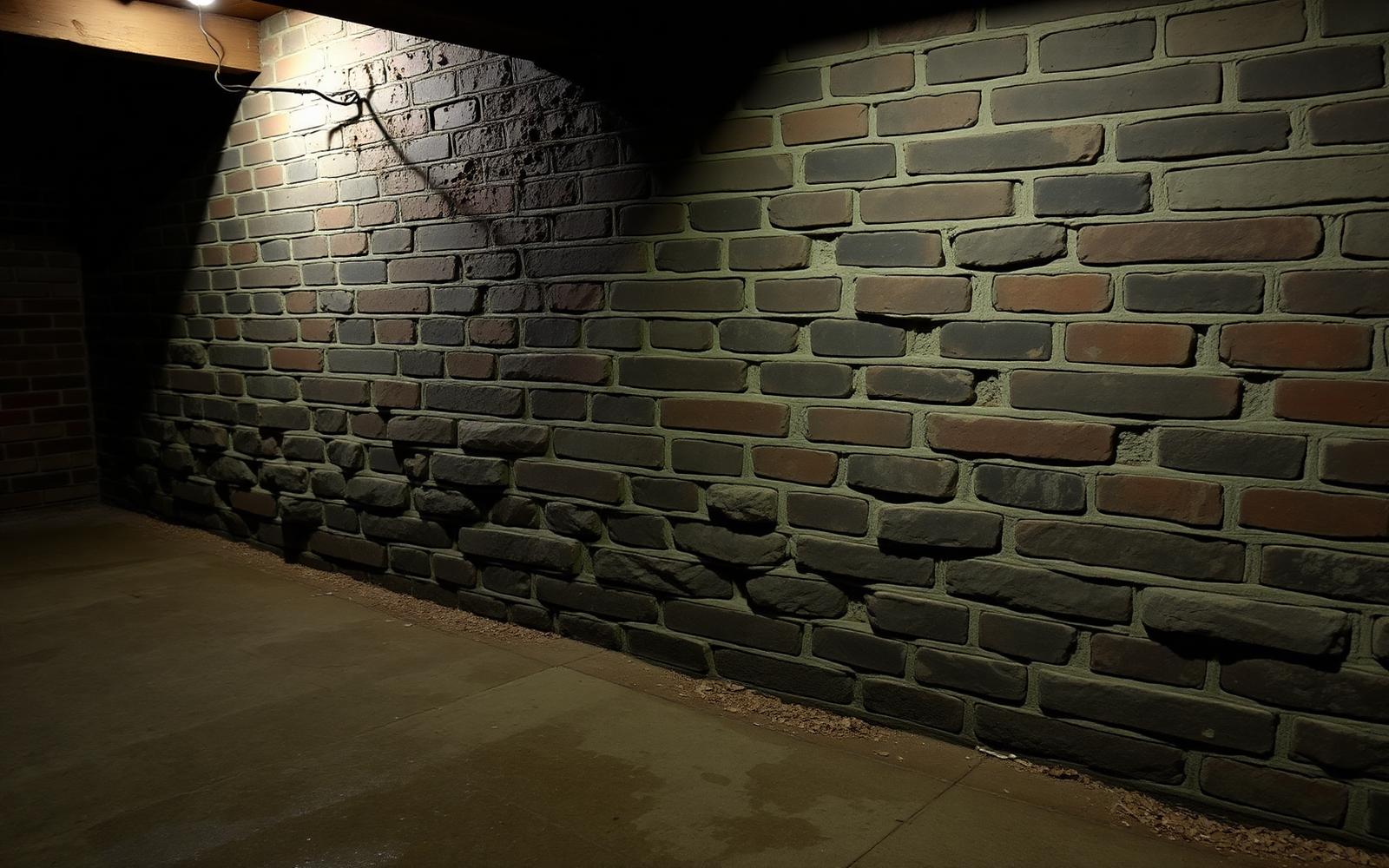
- Damp, crumbling parging or soft mortar joints on a stone or brick foundation
- Wet spot directly below a downspout, hose bib, window well or basement window
- A finished basement where opening the slab is not acceptable
- Soil that stays soggy against the house long after rain stops
- An original footing drain that has clearly stopped working
Problems Exterior Waterproofing Solves
Exterior work is the answer when the problem is on the outside of the assembly: failed or absent original waterproofing, footing drains silted shut, backfill that traps water against the wall, deteriorated masonry that soaks up moisture, or a below-grade window well that has become a bucket. It also pairs naturally with the yard-side corrections that prevent recurrence — regrading, downspout extensions and rebuilt window wells.
How Exterior Basement Waterproofing Works
Waterproofing Membranes
After the wall is cleaned and voids are parged, a rubberized asphalt, elastomeric or sheet-applied membrane is installed. Unlike a masonry coating, a membrane is designed to bridge hairline cracking and stay flexible through freeze and thaw.
Drainage Board and Protection Layer
Dimpled drainage board keeps backfill off the membrane and gives water a fast vertical path to the footing drain instead of sitting against the wall.
New Exterior Footing Drain
Perforated pipe is set beside the footing in washed stone, wrapped in filter fabric, and run to daylight or to a sump. Without this step, a membrane just moves the problem lower.
Crack and Joint Repair From Outside
Structural or leaking cracks get repaired before the membrane goes on — sometimes with the same injection used in foundation crack repair, sometimes with hydraulic cement and reinforcement, depending on the wall.
Interior vs Exterior Waterproofing: When Excavation Is Worth It
- Deteriorating stone, brick or rubble foundations
- Finished basements where cutting the slab would mean gutting the space
- Lots with real machine access and no property-line constraints
- Homes already having grading, hardscape or landscaping redone
- Water entering above the floor line, through the wall body itself
It is usually the wrong first choice for a rowhome with no side yard, for a wall behind a neighbor's structure, or when the water is plainly arriving at the cove joint of a sound poured wall.
How Much Does Exterior Basement Waterproofing Cost?
| Work | Typical range | What drives the price |
|---|---|---|
| Single wall exterior waterproofing | $4,000 – $9,000+ | Wall length, depth, soil, equipment access |
| Full exterior waterproofing | $8,000 – $15,000+ | Perimeter footage, excavation depth, restoration scope |
| Large or complex exterior projects | $15,000 – $20,000+ | Deep foundations, hand digging, hardscape and utility conflicts |
| New exterior footing drain | $40 – $100+ per linear foot | Trench depth, stone volume, outlet or sump connection |
Actual prices vary based on basement size, foundation type, water source, access, drainage requirements, excavation needs and chosen waterproofing method. The cost guide compares exterior work against interior systems side by side.
What Affects Exterior Waterproofing Cost
- Excavation depth — an 8-foot foundation costs far more per foot than a shallow one
- Whether machines can reach the wall or the dig must be done by hand
- Soil type, rock, and how much spoil has to be hauled away
- Utilities, gas lines, sewer laterals and irrigation in the trench
- Hardscape removal and replacement: walks, patios, driveway aprons
- Masonry repair discovered once the wall is exposed
- Landscaping restoration and final grading
Related waterproofing pages
Basement Waterproofing by Pennsylvania City
Local pages with the foundation types, soils and drainage issues specific to each area.
Frequently asked questions
- Is exterior waterproofing worth the extra cost?
- It is when the wall itself needs protection — deteriorated stone or brick, damaged parging, or a finished basement you do not want opened up. If water enters at the cove joint of a sound wall, an interior system usually delivers a dry basement for much less.
- Will my landscaping and driveway survive?
- Plantings along the excavated wall generally do not. Contractors can often work around a driveway or patio, but if it sits over the excavation line it may have to be cut and replaced, which is a real line item in the quote.
- Can only one wall be waterproofed from the outside?
- Yes. Excavating the single wall where water enters is common and much cheaper than a full perimeter dig. A good contractor will tell you whether that wall is truly the only source.
- How long does exterior work take?
- Expect several days to more than a week per wall, depending on depth, soil, access for equipment, and how much has to be restored afterward. Weather delays are normal in Pennsylvania spring and late fall.
- Do I still need a sump pump?
- Often yes. The new footing drain has to discharge somewhere. If gravity drainage to daylight is not available on your lot, that drain terminates in a sump pit and pump.