What Causes Wet Basements in Lancaster?
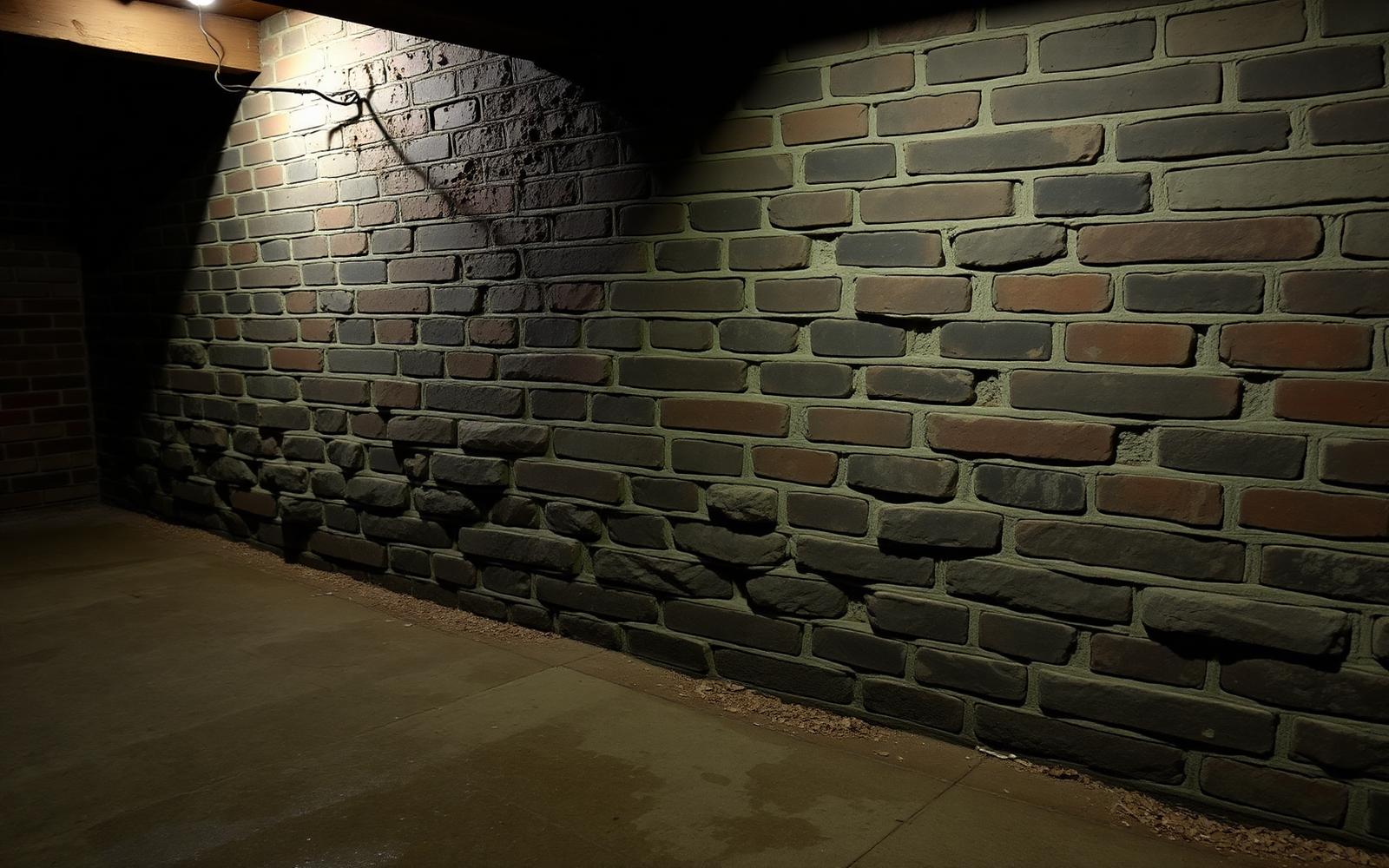
Lancaster County has some of the oldest housing stock in Pennsylvania, and its basements reflect that. Farmhouse cellars built with fieldstone and lime mortar were never designed to be dry living space — they were root cellars, meant to be cool and damp. Waterproofing them means managing a wall that absorbs and transmits water by design, not just draining the floor.
In Lancaster city, the picture changes: brick rowhomes with shallow basements, no side access, and shared walls, where interior drainage is the practical approach. In the surrounding townships, mid-century and newer homes have block or poured foundations with the more familiar cove-joint and crack problems.
Geology plays a role too. Much of the county sits on limestone, which channels groundwater unpredictably, and the agricultural soils are often clay-rich — they hold water against foundations for days after a storm rather than draining away.
Lancaster Housing Stock and Foundation Types
Fieldstone farmhouse cellars
Rubble stone walls with eroded lime mortar seep through the wall body across large areas. Effective work usually combines repointing and parging with a wall liner that carries seepage into new drain tile — rather than any attempt to seal the stone itself.
City brick rowhomes
In downtown Lancaster, Cabbage Hill and the surrounding neighborhoods, attached brick homes with shallow cellars are handled from inside. Low headroom and stairway-only access affect labor time and debris removal.
Bank barns and partially below-grade additions
Structures built into a slope have one wall acting as a retaining wall. These take heavy lateral pressure and often need a structural look before drainage work.
Suburban block and poured foundations
In Manheim Township, East Hempfield and Lititz, block walls with core water and poured walls with shrinkage cracks are the routine cases — often solvable with targeted work.
Local Soil, Drainage and Weather Conditions
- Fieldstone and lime-mortar walls that transmit water through the wall body
- Limestone geology channeling groundwater along fractures
- Clay-rich agricultural soils that hold water against foundations
- Very old housing stock with no original footing drains
- Attached city rowhomes with no exterior excavation access
- Sloped bank-built structures with retaining foundation walls
- Farm and field runoff arriving from adjacent properties
- Historic district requirements affecting exterior work in the city
Most Common Basement Problems in Lancaster
- Persistent dampness through a stone cellar wall
- Crumbling mortar and loose stones in an old foundation
- Musty odor throughout a converted farmhouse basement
- Water at the cove joint in a suburban block basement
- Rowhome cellar that floods during summer thunderstorms
- Bowing wall on the uphill side of a bank-built structure
Basement Waterproofing Cost in Lancaster
| Work | Typical range | What drives the price |
|---|---|---|
| Interior drainage in a stone cellar | $4,500 – $10,000+ | Irregular walls, footing conditions, debris removal |
| Repointing and parging stone walls | $10 – $30+ per sq ft | Mortar condition, wall area, historic detailing |
| Interior drainage, rowhome basement | $3,500 – $7,500+ | Footage, headroom, access for materials |
| Exterior waterproofing, detached home | $5,000 – $13,000+ | Depth, access, restoration |
| Sump pump and discharge installation | $1,000 – $3,000+ | Pit excavation, discharge routing |
Actual prices vary based on basement size, foundation type, water source, access, drainage requirements, excavation needs and chosen waterproofing method. Compare methods statewide in the Pennsylvania cost guide.
Neighborhoods and Nearby Areas Covered
Professionals in the network serve Lancaster city, Lititz, Manheim, Ephrata, Columbia, Millersville, Strasburg, Elizabethtown, Mount Joy, New Holland, Willow Street and surrounding Lancaster County communities.
Areas & ZIP Codes We Serve
Serving homeowners throughout Lancaster County, including 17601, 17602, 17603, 17512, 17543, 17522, 17551 and 17538, plus surrounding communities. Local area codes are 717 / 223 — enter your ZIP code in the form and your request goes to a professional who works in Lancaster regularly.
Which service do you need?
Frequently asked questions
- Can an old fieldstone cellar ever be truly dry?
- Yes, though the approach differs from a modern basement. You manage the wall rather than seal it: repoint, parge, install a liner that directs seepage into drain tile, and control humidity. Homeowners regularly get usable, dry space this way.
- Should I use modern mortar to repoint an old stone wall?
- Generally no. Hard Portland-based mortar on a soft historic wall accelerates damage to the stone. Lime-based mortars matched to the original are the right choice, and any contractor working on pre-1900 masonry should know that.
- Does a historic district limit my options?
- It can restrict changes to visible exterior elements and sometimes excavation near the street face. Interior drainage is usually unaffected. Check with the local historical commission before exterior work.
- Why is my basement damp even without visible leaks?
- Stone and brick wick moisture continuously, and humid summer air condenses on cool walls. That combination produces a damp, musty basement with no puddle in sight — a vapor and drainage problem rather than a leak.
- Is farm runoff really a factor?
- It can be significant. Where a field or lane drains toward the house, intercepting that flow with grading or a curtain drain does more than anything applied to the foundation.